Renovating a bathroom starts with the floors and walls you see daily: bathroom tile. A well-chosen tile plan affects moisture control, maintenance, and the room’s overall feel. With more than a decade of experience in bathroom remodel projects, I’ve learned that the right tile selection blends durability with design, delivering long-term value.
Understanding bathroom tile options
Tile choices fall into several families, each with advantages and trade-offs. Ceramic and porcelain tiles offer durability and low maintenance at reachable prices. Porcelain, a denser option, resists water ingress and daily wear better than many ceramic choices. Natural stone—such as marble or travertine—provides timeless beauty but requires sealing and periodic maintenance. Glass tiles reflect light and can brighten small bathrooms but require careful installation to avoid grout staining and slip hazards in showers. Cement and large-format tiles create contemporary looks but may need moisture management and sealing, particularly in wet zones.
Choosing by room zone
In showers and tub surrounds, prioritize water resistance and slip resistance. For walls and backsplashes, color, pattern, and texture play more into style; durability is still important, but maintenance demands differ by material. For floors, durability, scratch resistance, and slip performance are critical.
Sizes, patterns, and layout
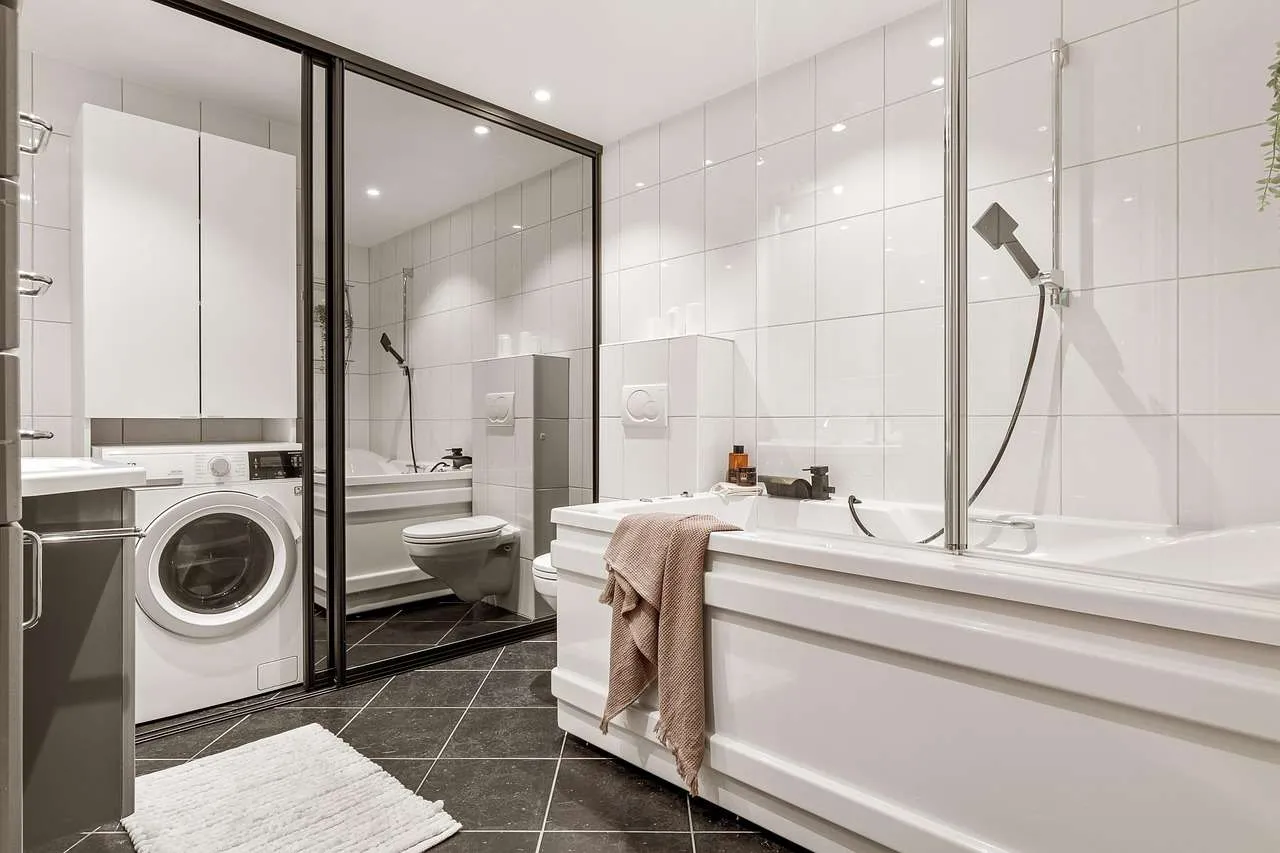
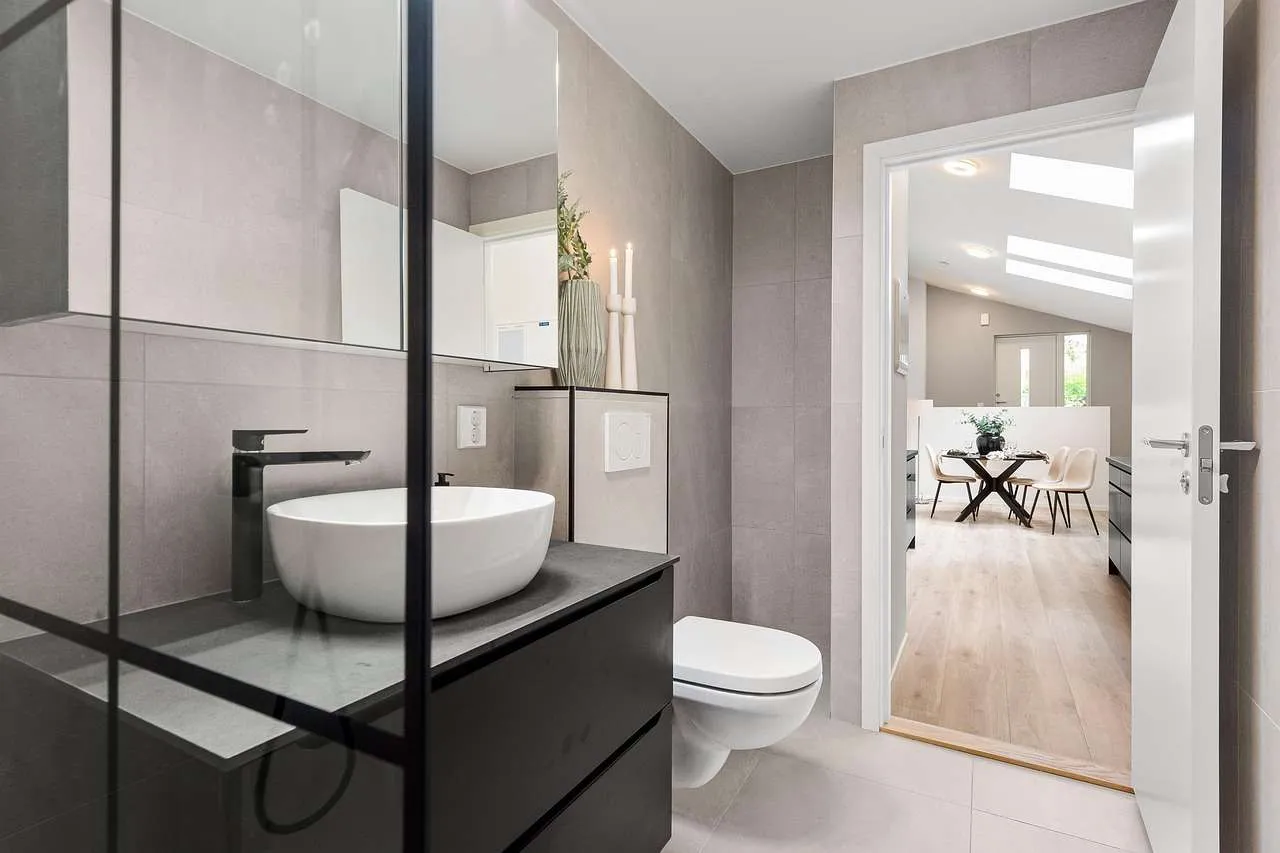
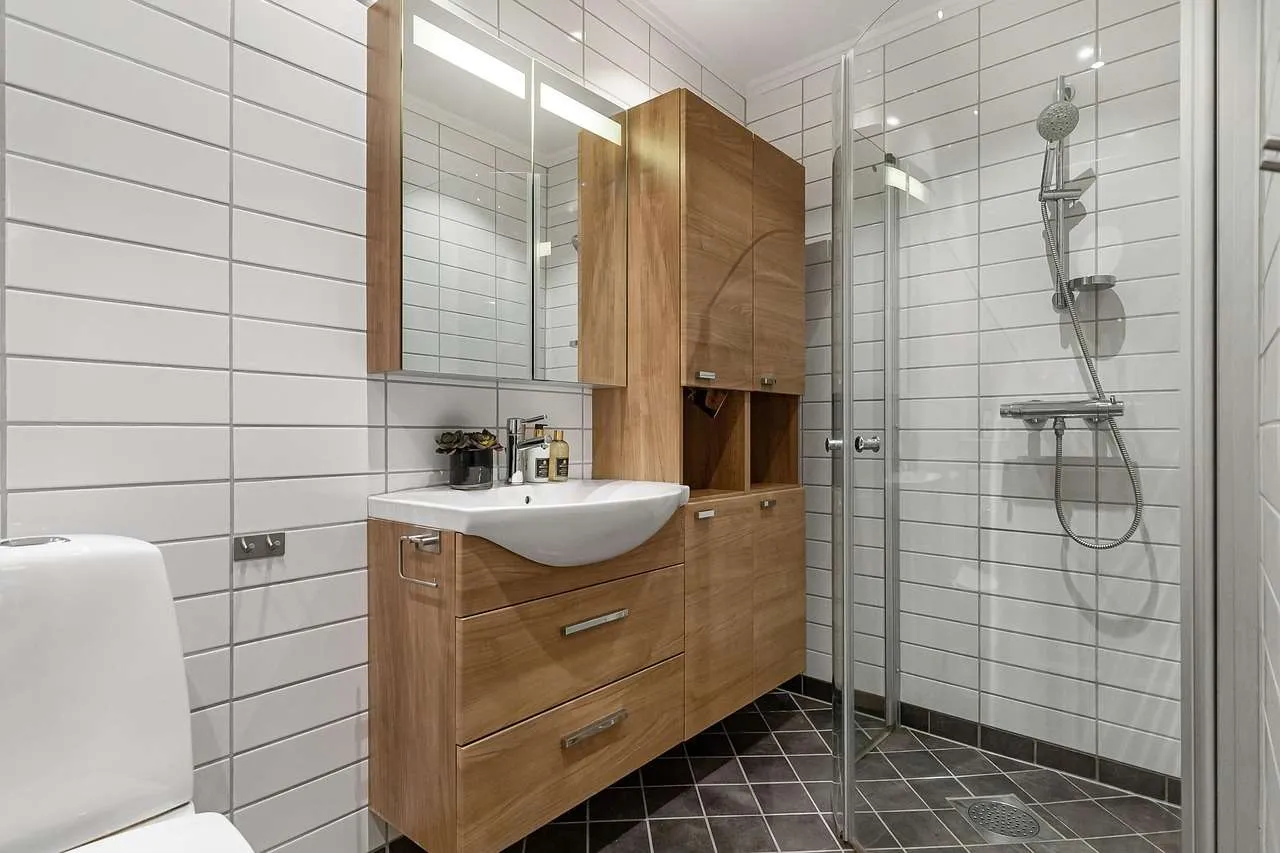
Smaller bathrooms often benefit from larger-format tiles on floors and walls to reduce grout lines and create a sense of openness. Subway tiles are a timeless option for walls; when used on floors, consider larger formats or non-slip textures. Pattern choices — herringbone, chevron, or stacked layouts — can add interest without heavy costs. Rectified edges allow for thinner grout joints, offering a modern look and easier maintenance.
Colors and grouts
Grout color dramatically shapes the tile’s appearance. Light grout can emphasize a tile pattern and make lines seem cleaner, while darker grout hides stains and is practical in high-traffic areas. In wet rooms, epoxy grout or cement-based grouts with stain resistance are worth the extra cost to reduce maintenance.
Durability and care
For bathrooms, porcelain and glazed ceramic are the workhorses for floors and walls because of water resistance and ease of cleaning. Natural stone requires sealing and periodic resealing to prevent staining and moisture intrusion. Glass tiles offer a striking look but can scratch or etch when cleaners are too acidic. Always use pH-neutral cleaners and avoid harsh acids on stone or unglazed surfaces.
Installation considerations
Proper substrate preparation and waterproofing are essential; bathrooms demand robust moisture management. A professional tile installer will verify slab flatness, underlayment, and correct thin-set mortar for your tile type. If DIY, plan time for substrate checks, backer board installation, waterproof membranes, and accurate tile spacing. Do not skip waterproofing in shower niches or tub surrounds.
Tile care and maintenance tips
Daily care includes wiping surfaces and squeegeeing shower enclosures to minimize soap scum. For stone, reseal according to product guidelines and use a pH-neutral cleaner. For grout, seal initially and periodically reseal or use epoxy grout in high-moisture zones to reduce staining. Avoid harsh chemicals like bleach on natural stone or unsealed surfaces.
Comparing common bathroom tile types
| Tile Type | Pros | Cons | Best Use |
|---|---|---|---|
| Ceramic | Affordable, easy to cut, versatile | Less dense than porcelain, can chip | Walls, backsplashes |
| Porcelain | Dense, water resistant, durable | Can be slippery when polished | Floors, showers |
| Natural Stone | Elegant, unique | Porous, requires sealing and maintenance | Accent areas, dry zones |
| Glass | Reflective, modern look | Slippery, must be well-sealed | Showers, backsplashes |
Budgeting for bathroom tile projects
Costs vary by tile type, size, and labor. A balanced plan includes material, substrate prep, waterproofing, and professional installation estimates. Plan for 10–20% extra for waste and cuts. Getting multiple quotes helps ensure you’re paying for quality work and reliable warranties.
Conclusion and next steps
Choosing bathroom tile is a blend of function and style. By understanding tile types, patterns, and maintenance, homeowners can create a durable, aesthetically pleasing space. Work with licensed professionals for waterproofing, proper substrate prep, and accurate layout. With thoughtful planning and quality materials, your bathroom tile will deliver lasting value and satisfaction.
Summary: A well-chosen bathroom tile plan balances aesthetics, durability, and care requirements. From selecting tile types to choosing grout and patterns, and from proper installation to ongoing maintenance, you can achieve a beautiful, long-lasting bathroom. Prioritize moisture control and expert installation to maximize value and ensure a space you’ll enjoy for years to come.